Three skin model platforms to unlock microbiome.anti-aging.longevity.penetration.
Built from primary human cells. Available healthy, or as an advanced model of the skin you need to study.
Compare the platformsHow the range fits together.
- Three skin model platforms
- The skin itself: Epidermal, Full-Thickness and Fibroblast-Derived Matrix.
- Three next-gen models
- Our newest and most complete systems: Microbiome, Bio-Aging and Atopic Dermatitis.
- Advanced models
- A condition you add to any platform: Pigmented, Wounded, Psoriasis, Carcinoma and melanoma, or Vulvar.
Three skin model platforms.
The skin itself, built from primary human cells. Each one is available healthy or as an advanced model.
-
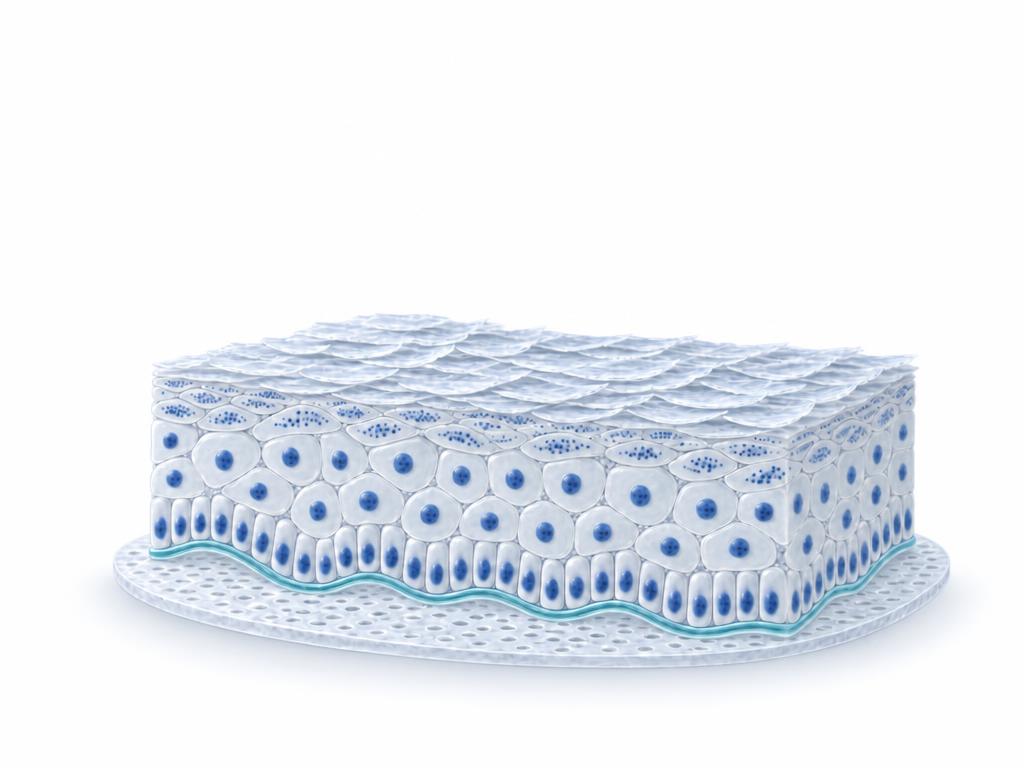
Epidermal Models
The first, the best in Europe.
- Fully stratified epidermis
- Complete barrier function
- Ideal for testing penetration
-
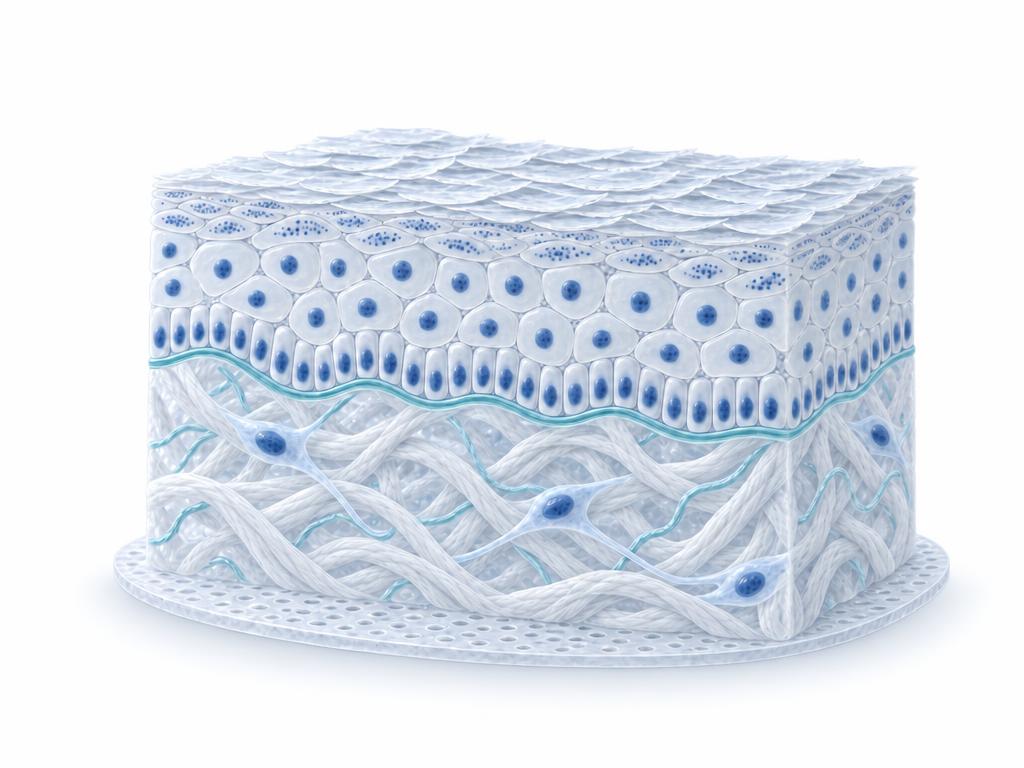
Full-Thickness Models
Our most versatile model.
- Fully stratified epidermis
- Fibroblasts and collagen matrix
- Ideal for advanced efficacy testing
-
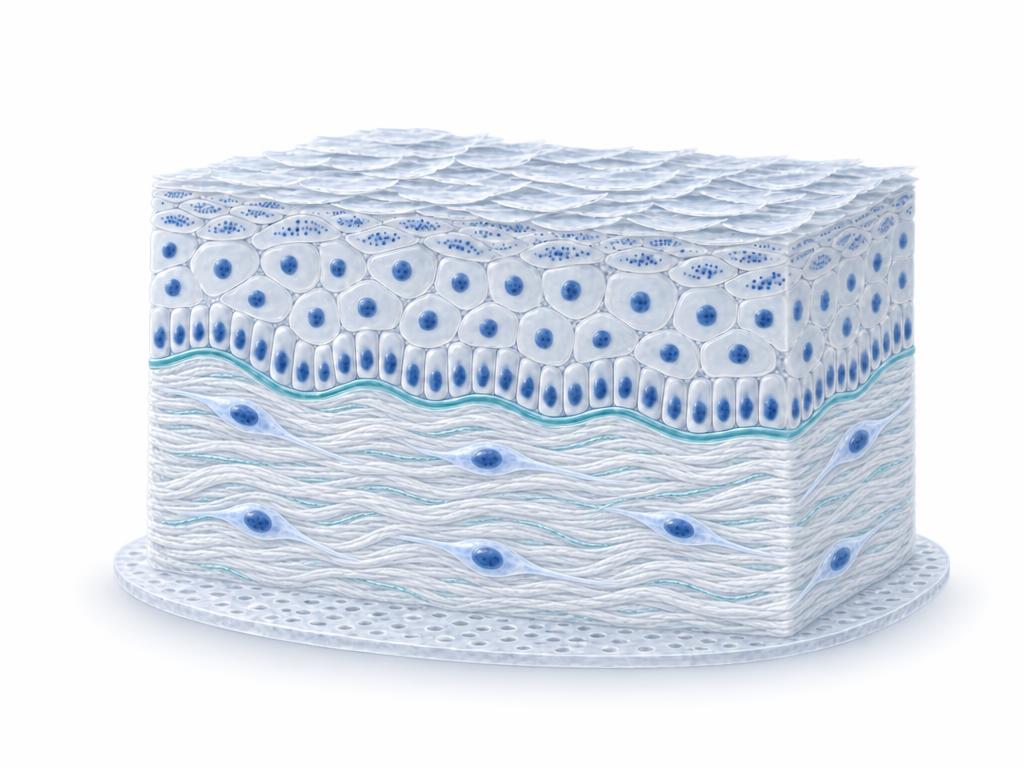
Fibroblast-Derived Matrix Models
Proven to 20 weeks in culture.
- Fully stratified epidermis
- Fibroblasts and self-assembled collagen matrix
- Ideal for long-term efficacy testing
Which platform fits your question?
| Property | Epidermal | Full-Thickness | Fibroblast-Derived Matrix |
|---|---|---|---|
| Ideal for | Testing penetration | Advanced efficacy testing | Long-term efficacy testing |
| Epidermis | Fully stratified | Fully stratified | Fully stratified |
| Barrier function | Complete | Complete | Complete |
| Dermis | None | Fibroblasts and collagen matrix | Fibroblasts and self-assembled collagen matrix |
| Cells | Primary human keratinocytes | Primary human keratinocytes and fibroblasts | Primary human keratinocytes and fibroblasts |
| Highlighted applications | Skin corrosion and irritation, dosage, phototoxicity, penetration | Claims support for skin health, disease, wound and tumour modelling, dermal-epidermal interaction | Skin ageing, basement membrane studies, long-term efficacy, dermal-epidermal interaction |
Three next-gen models.
A leap beyond in vitro: our newest and most complete systems, each built for one question.
-
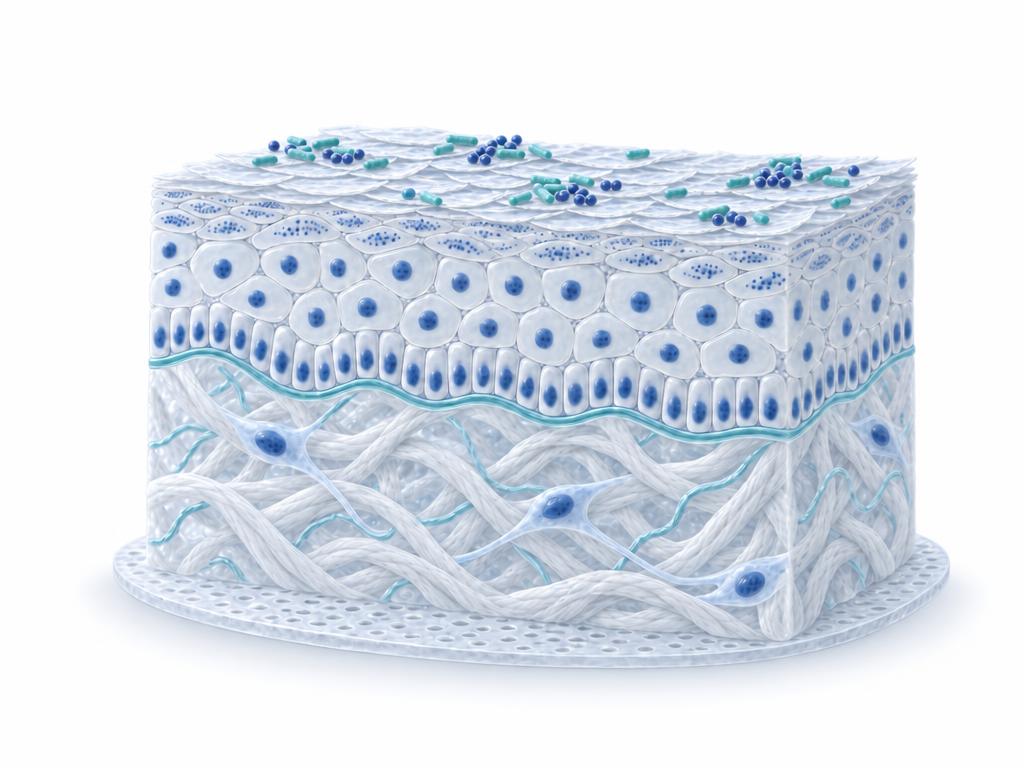
Microbiome Models
Up to 6 bacterial strains together.
- Population dynamics
- Deep profiling
- Functional sequencing
-
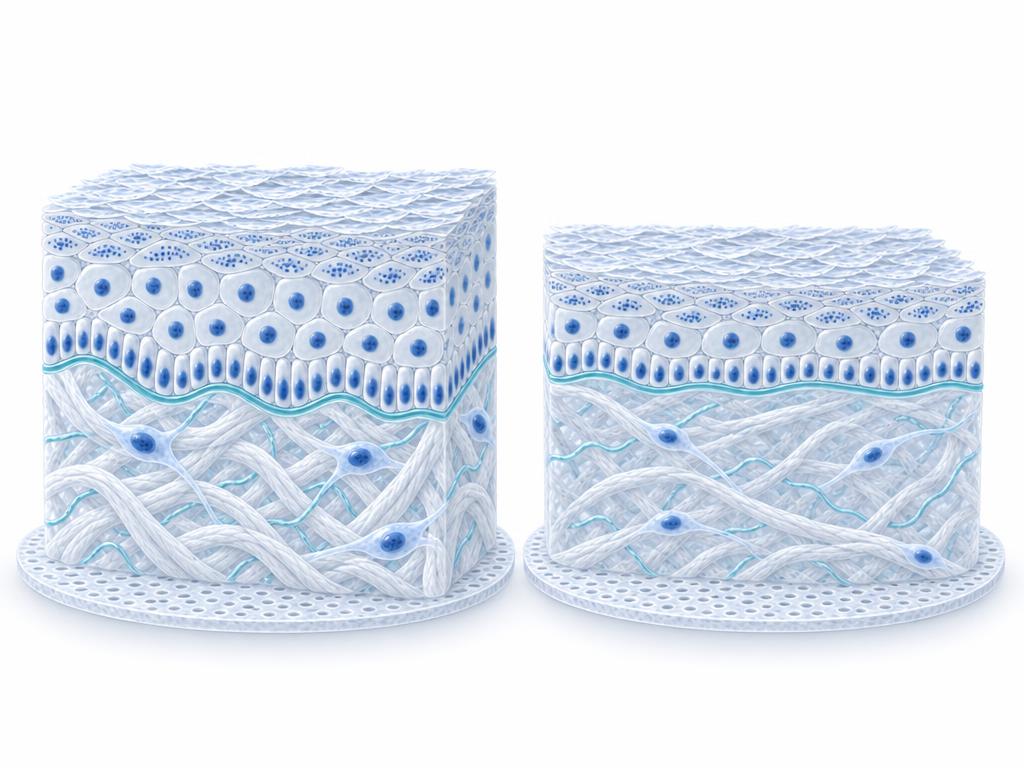
Bio-Aging Models
Ageing by biology, not by donor age.
- Built on the papillary and reticular dermis ageing pathways
- Validated for barrier, regeneration and microbiome profile
- For true anti-aging biomarkers
-
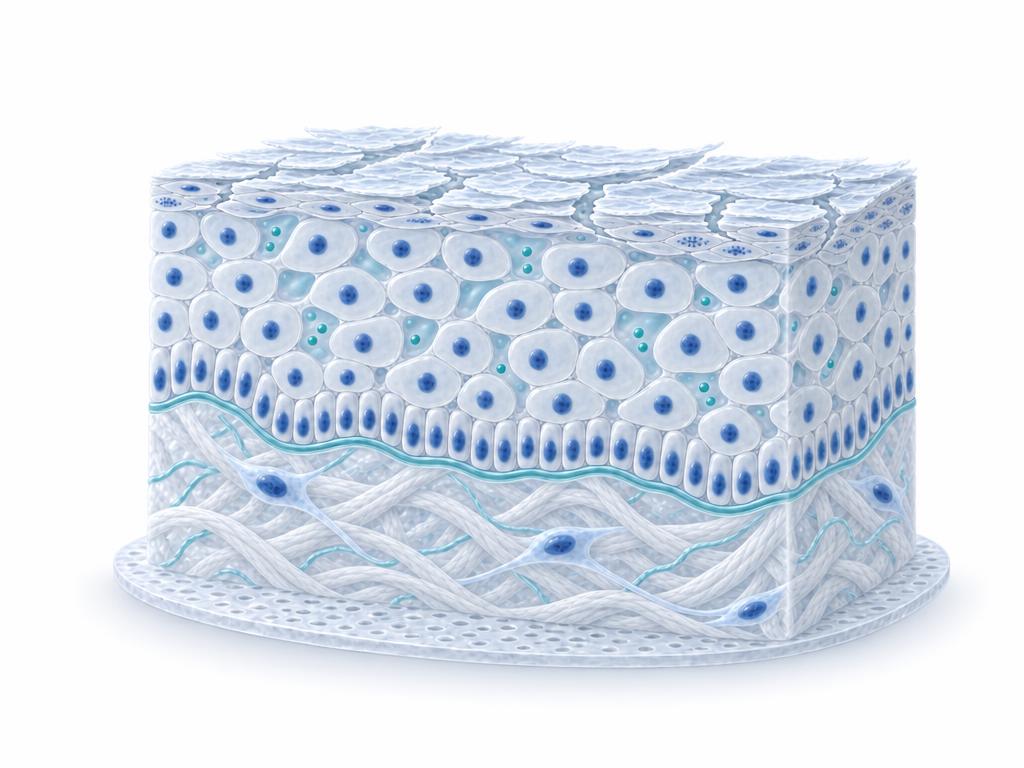
Atopic Dermatitis Models
Complete AD phenotype in vitro.
- Biologically and functionally predictive
- Microbiome compatible
- Full biomarker validation
Advanced models: add a condition to any platform.
For all skin types. Ageing, atopic dermatitis and the microbiome have their own next-gen models above.
Your platformA conditionYour advanced model