Home » Pharmaceutical testing
Gentiss offers advanced epidermal and full-thickness skin models tailored to meet the specific needs of the pharmaceutical industry. Our models replicate the structural and functional complexity of human skin, making them ideal for drug efficacy, safety, and mechanistic studies. We can also customize our models to your specific research needs. Whether it’s testing new topical formulations or understanding their effect on epidermal or dermal morphogenesis, our skin models provide reliable, reproducible data. Additionally, we offer in-depth biological analyses, such as cytokine profiling, to assess inflammatory responses, gene expression studies to explore molecular pathways, and protein analyses to evaluate drug-target interactions and pathway modulation. Gentiss human skin models streamline your development processes, reducing time-to-market while ensuring regulatory compliance and product safety.
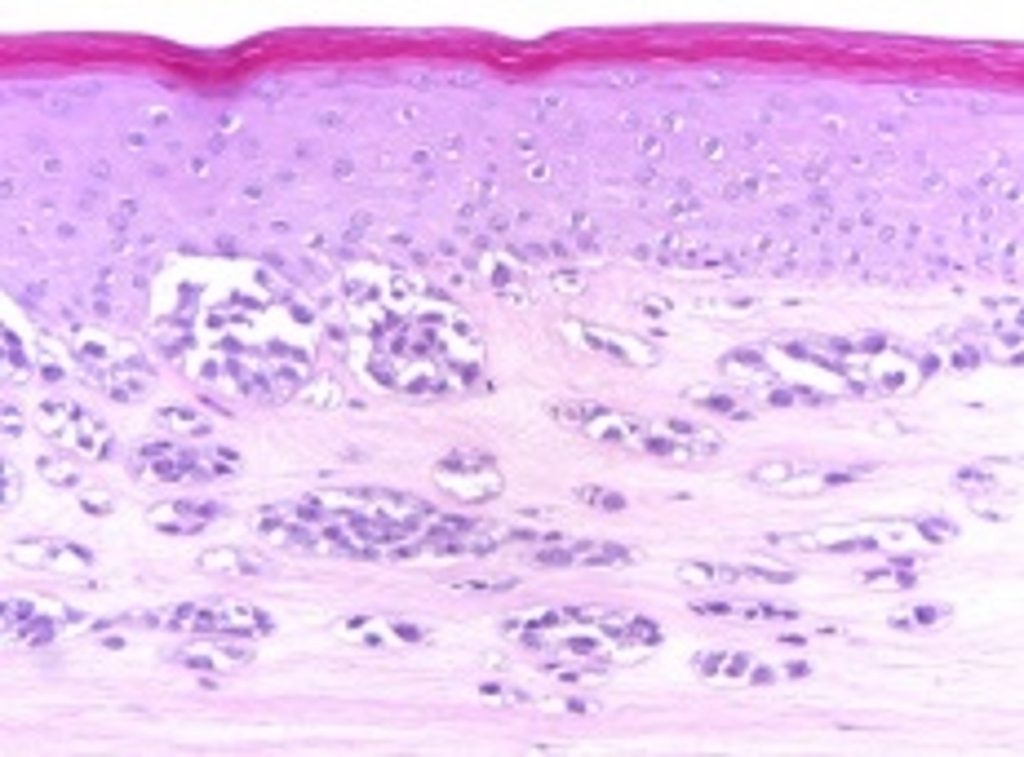
Our disease-specific human skin models offer a powerful platform for researchers and institutions to study the mechanisms behind various skin conditions. From chronic inflammatory diseases like eczema and psoriasis, to rare genetic disorders, our models accurately replicate characteristics of these conditions. We support preclinical research, drug screening, and biomarker discovery, offering valuable insights into disease progression and treatment responses. Our disease modelling services accelerate the discovery of novel therapeutics tailored to specific skin diseases.
We provide highly specialized skin cancer models such as squamous cell carcinoma (SCC), melanoma, and vulvar SCC, that enable the exploration of cancer development and treatment efficacy. These cancer models closely mimic the tumor microenvironment, as they harbour cancer associated fibroblasts, supporting studies on epidermal morphogenesis, epithelial to mesenchymal transition, tumor invasion, and drug resistance. Whether you are conducting fundamental cancer research or working on new therapeutic approaches, our skin cancer modelling helps bridge the preclinical gap between in vitro experiments and clinical trials. Our comprehensive cancer models support screening, personalized medicine development, and novel drug validation.
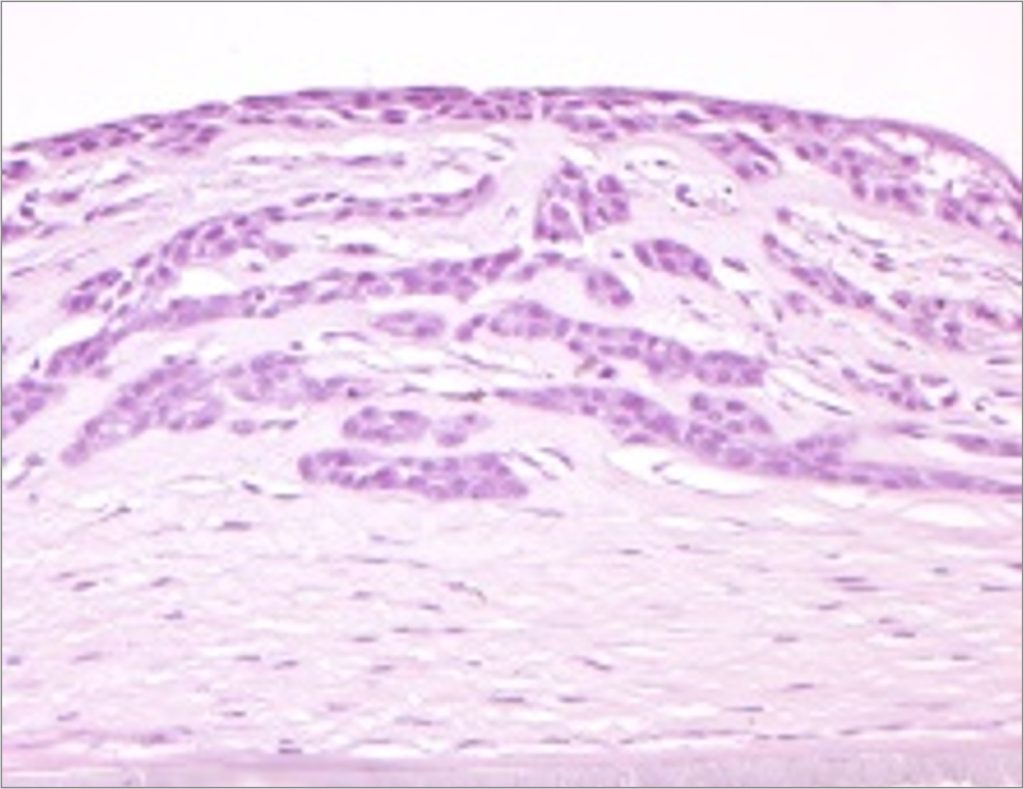

Our wound healing models are designed to support investigation into both superficial and deep wound conditions. These models closely mimic the human skin’s response to injury, providing a platform to test new wound care treatments, biomaterials, and tissue regeneration therapies. For applications such as innovative dressings, scar treatments, and wound healing studies, our full-thickness skin models deliver reliable data that can translate directly into clinical applications.
Gentiss offers sophisticated infection models that simulate bacterial infections in skin. These models enable researchers to study pathogen-host interactions, infection dynamics, and immune responses in skin models that have superficial or deep wounds. They are ideal for testing antimicrobial agents and novel therapies targeting skin infections. Our infection models provide a realistic environment for evaluating the effectiveness of treatments against a wide range of skin pathogens, helping researchers and companies develop safer, more effective therapies.
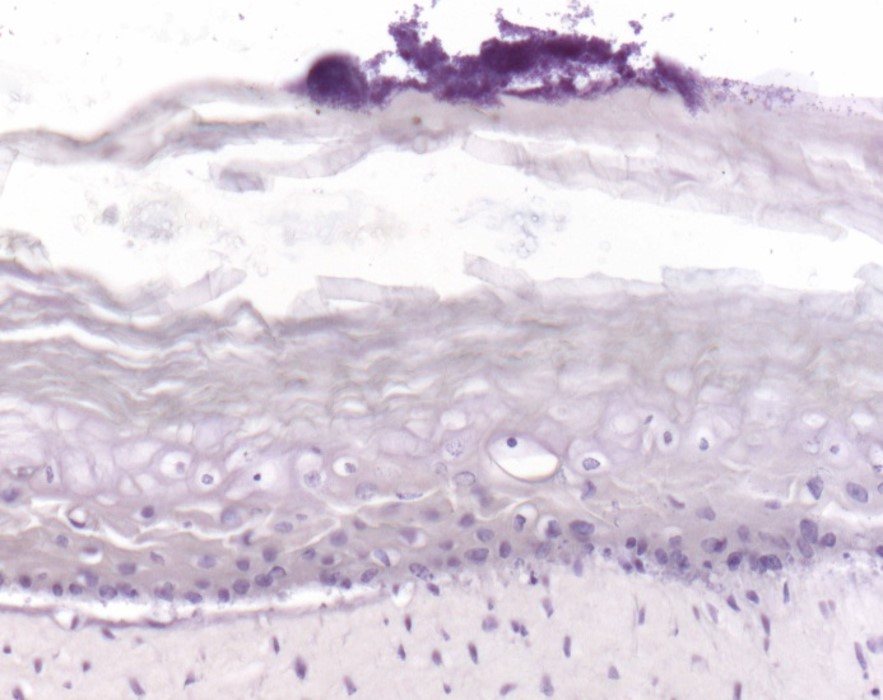
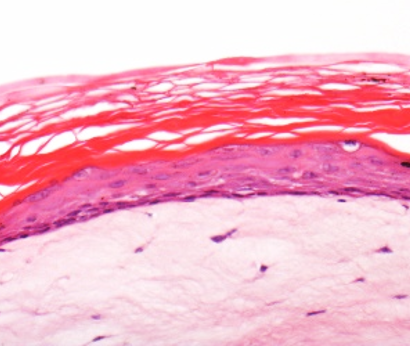
Our human skin models support dosage studies for topical and transdermal products, ensuring accurate and efficient evaluation of drug delivery and concentration for safe and effective treatments.
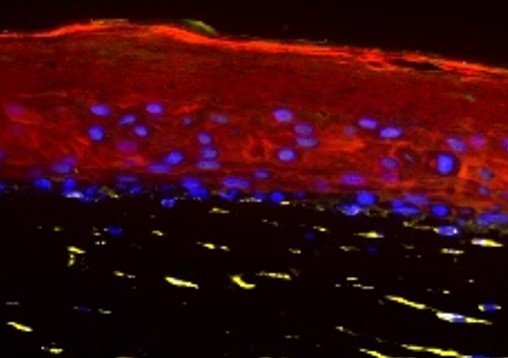
We perform studies on skin homeostasis, allowing investigations on epidermal and dermal morphogenesis, by examining basal membrane formation, differentiation processes, cell proliferation, cytokine profiling, gene expression and barrier integrity in response to various treatments and environmental factors.

Our models are designed to analyze the effects of compounds on skin barrier function, enabling precise studies of how active ingredients, environmental factors, and formulations impact barrier integrity by examining ceramide composition, trans-epidermal water loss, barrier related proteins, and lipid processing enzymes on gene and protein levels.
Contact us to find out more about how we can help with pharmaceutical product testing