Cosmetic product testing

With over 30 years of expertise in developing highly specialized human skin models that can be kept in culture for several months, we offer an extensive range of platforms for cosmetic analyses. Our full-thickness models accurately replicate the structure and function of human skin, including the dermal compartment, enabling precise testing of cosmetic ingredients. From assessing the efficacy of anti-aging formulations on epidermal and dermal morphogenesis, to studying the interaction between ingredients and the microbiome. By simulating young and aged skin conditions, we can examine if the tested ingredients are safe, effective, and scientifically validated.

Readouts

MTT assay

Cell viability analysis through the assessment of metabolic activity

MTT assay

Cell viability analysis through the assessment of metabolic activity

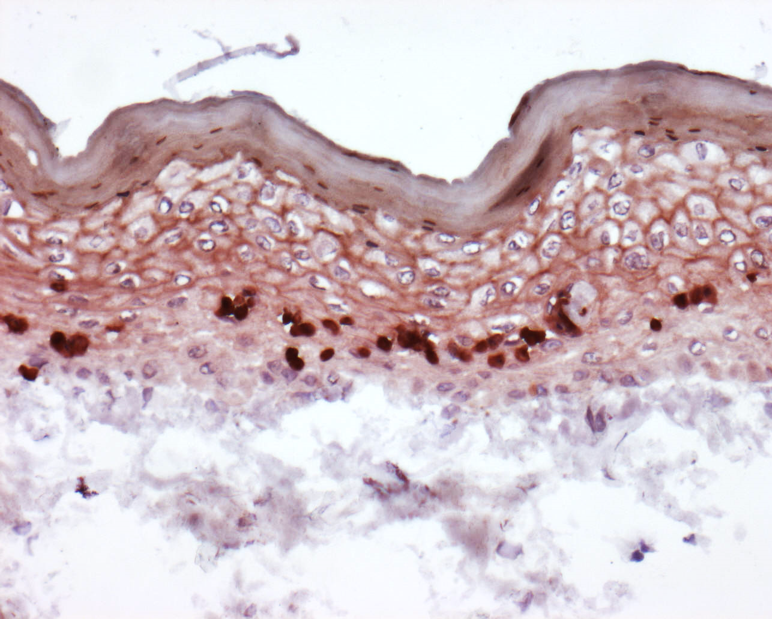
Histology

Assessment of epidermal morphogenesis

Histology

Assessment of epidermal morphogenesis

Cytokine profile

Detection of inflammatory markers and immune response indicators

Cytokine profile

Detection of inflammatory markers and immune response indicators

LDH assay

Evaluation of cytotoxicity via enzyme activity

LDH assay

Evaluation of cytotoxicity via enzyme activity

Gene expression

Analysis of cellular response through quantitative PCR (qPCR)

Gene expression

Analysis of cellular response through quantitative PCR (qPCR)

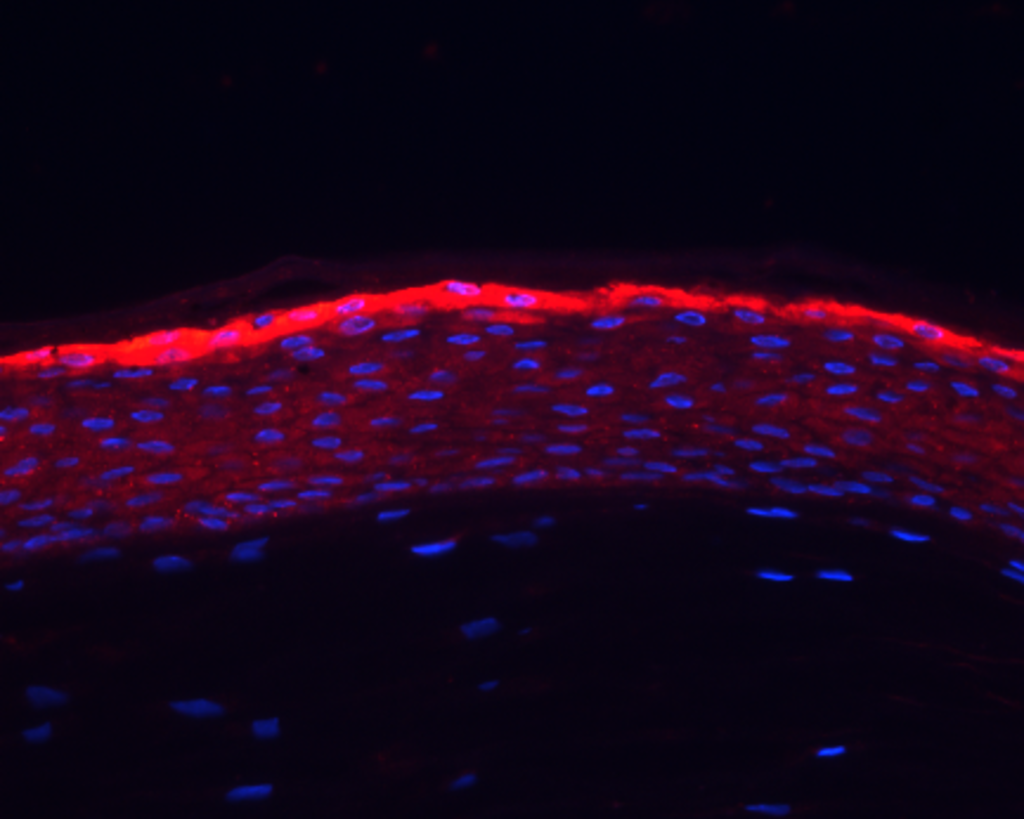
Barrier function

Measurement of skin barrier related biomarkers and barrier integrity

Barrier function

Measurement of skin barrier related biomarkers and barrier integrity

Collagen deposition

Measurement of extracellular matrix production

Collagen deposition

Measurement of extracellular matrix production

Basement membrane

Examination dermal-epidermal junction integrity

Basement membrane

Examination dermal-epidermal junction integrity

Toxicology studies

Our human skin models are an essential tool for in vitro toxicology studies, providing a humane and scientifically superior alternative to animal testing. Our engineered skin models are proven to be the closest engineered tissues to native human skin, and offer  an ethical and highly accurate platform for assessing cytotoxicity, irritation, and sensitization of cosmetic ingredients. Gentiss in vitro models allow for detailed analysis of the skin’s biochemical responses, including cytokine release, changes in gene expression, and protein modifications. This ensures comprehensive safety assessments and regulatory compliance while protecting consumer health.

Dosage studies

Our epidermal and full-thickness skin models offer an ideal platform for studying ingredient dosage. By replicating human skin barrier function, these models provide data on epidermal morphogenesis, absorption and permeation by using gene expression, cytokine profiling and immunohistochemistry. Whether testing the ingredients topical or transdermal, our models help determine optimal dosage levels, ensuring both efficacy and safety.
Skin ageing studies

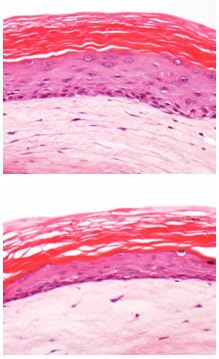
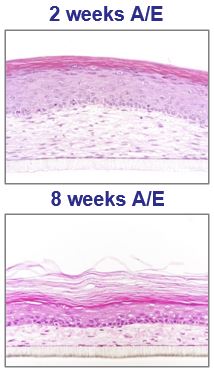
We have developed full-thickness skin models designed to mimic the characteristics of aging skin by incorporating papillary and reticular fibroblasts into the dermis. These models allow for the investigation of dermal processes such as senescence, collagen breakdown, and other markers of skin aging (such as basement membrane formation and skin barrier integrity). Gentiss also has the longest-lasting in vitro skin in the industry, enabling long-term studies of anti-ageing compounds impact on gene expression, and measure changes in protein levels linked to skin elasticity, collagen deposition, and hydration.

Phototoxicity

Our range of models can be used to evaluate the potential phototoxic effects of UV sources, plasma devices, and compounds when exposed to UV light, ensuring the safety of these devices and products under conditions of UV or sun exposure. Various readouts can be examined such as DNA damage, tumor suppression, cell proliferation, inflammation and cell death.

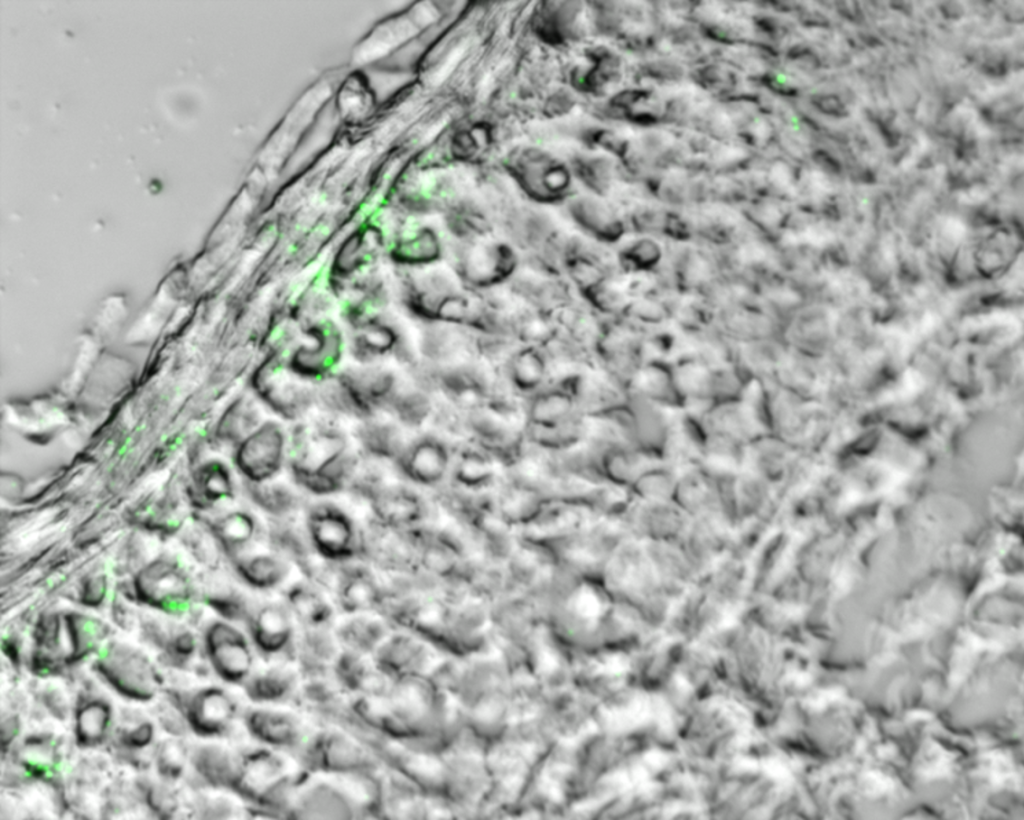
Penetration

We offer measurements of skin penetration for topically applied compounds (when labeled), allowing for accurate assessment of how deeply substances permeate the skin.

Barrier composition

Our models provide detailed insights into skin barrier composition, enabling the study of barrier integrity and the effects of ingredients on the skin barrier function.

Request a quote

Contact us to find out more about how we can help with cosmetic product testing

Others also looked at