Home » Product safety testing
Gentiss safety tests examine compound toxicity via skin corrosion and skin irritation according to standardized Organization for Economic Co-operation and Development (OECD) guidelines. We use a variety of test model types, including cell monocultures and in vitro skin models with competent barrier function, depending on your needs. Corrosive or irritant substances are identified by their ability to reduce cell viability below specific threshold levels, after defined exposure periods.
Our process involves the topical application of your test compound onto our human skin models, proven to be the closest engineered tissues to native human skin. Gentiss epidermal skin models provide an ethical and highly accurate alternative for testing compounds, providing a reliable risk assessment, lower development costs, and faster regulatory approval. Our ethical tests do not require the use of animals for assessing skin corrosion and irritation, allowing for animal-free product labelling and improved regulatory compliance.
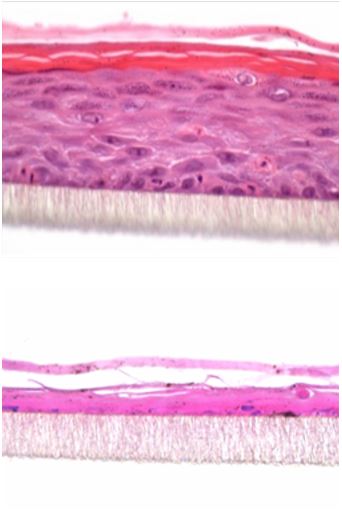
Corrosion is the irreversible damage to skin tissue caused by a chemical substance, leading to cell death, ulceration, and permanent scarring. Corrosive compounds can penetrate through the skin barrier found in the outermost layer, the stratum corneum, damaging deeper layers of the skin. Our corrosion tests are routinely used in the cosmetic, pharmaceutical, and chemical industries, and follow the OECD Test Guideline 431 for animal-free testing on in vitro engineered human skin. Our most relied-upon model for skin corrosion testing is the Leiden Epidermal Model.
Irritation occurs when the skin is exposed to substances that cause redness, inflammation, or discomfort, due to the disruption of the skin barrier. Unlike allergic reactions, which involve the immune system, irritation is localized effect. Irritant compounds can penetrate the outermost skin layer, the stratum corneum, through diffusion or erosion, leading to cytotoxic effects on the underlying cell layers.
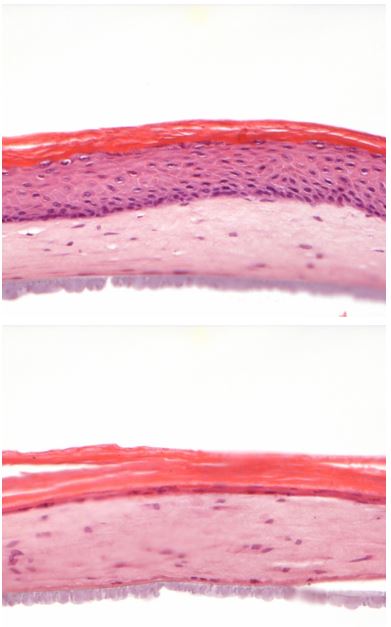
We assess the potential of chemical, cosmetic, and pharmaceutical compounds to cause irritation when they come into contact with human skin, according to OECD Test Guideline 439. Our most relied-upon model for skin irritation testing is the Leiden Epidermal Model.
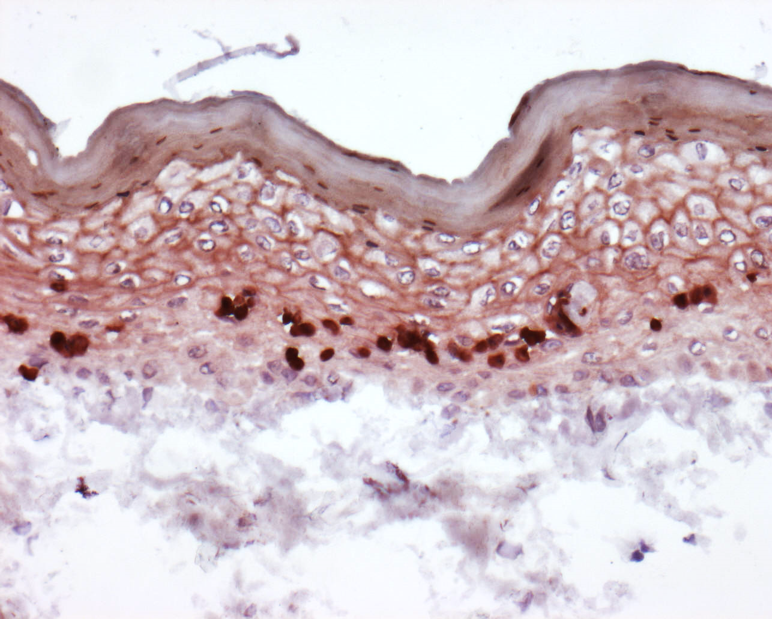
Our range of models can be used to evaluate the potential phototoxic effects of UV sources, plasma devices, and compounds when exposed to UV light, ensuring the safety of these devices and products under conditions of UV or sun exposure. Various readouts can be examined such as DNA damage, tumor suppression, cell proliferation, inflammation and cell death.
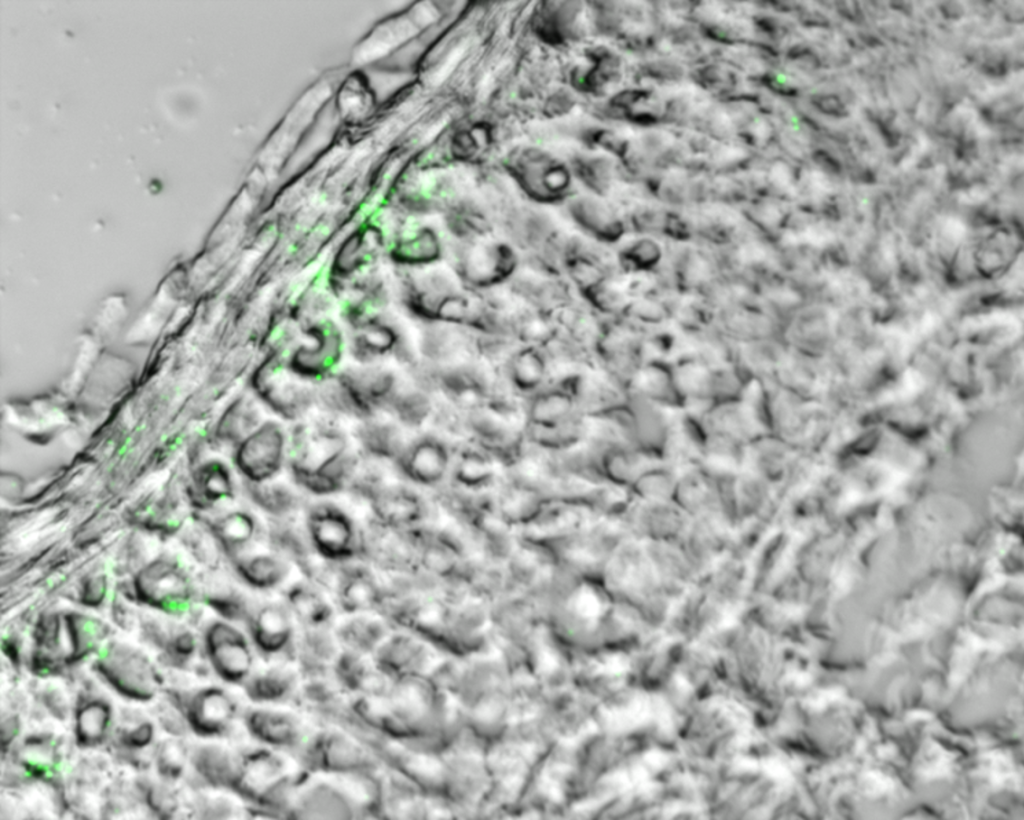
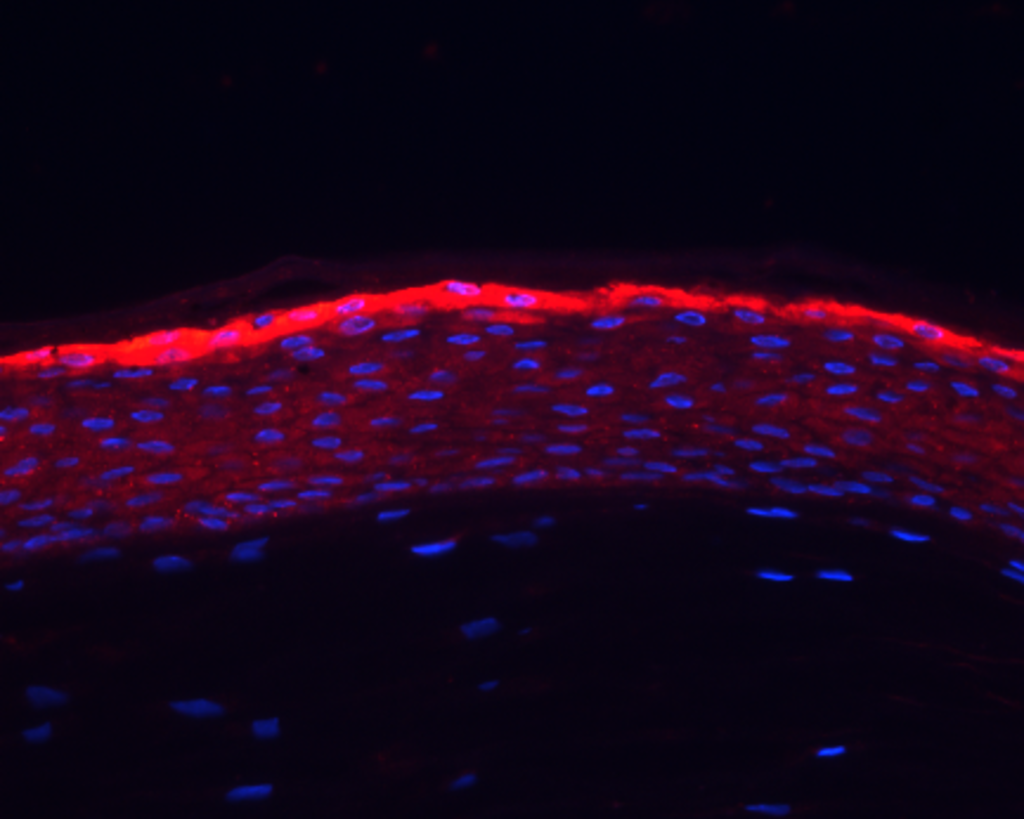
Our models provide detailed insights into skin barrier composition, enabling the study of barrier integrity and the effects of ingredients on the skin barrier function.
Contact us to find out more about how we can help with product safety testing